Quick Answer
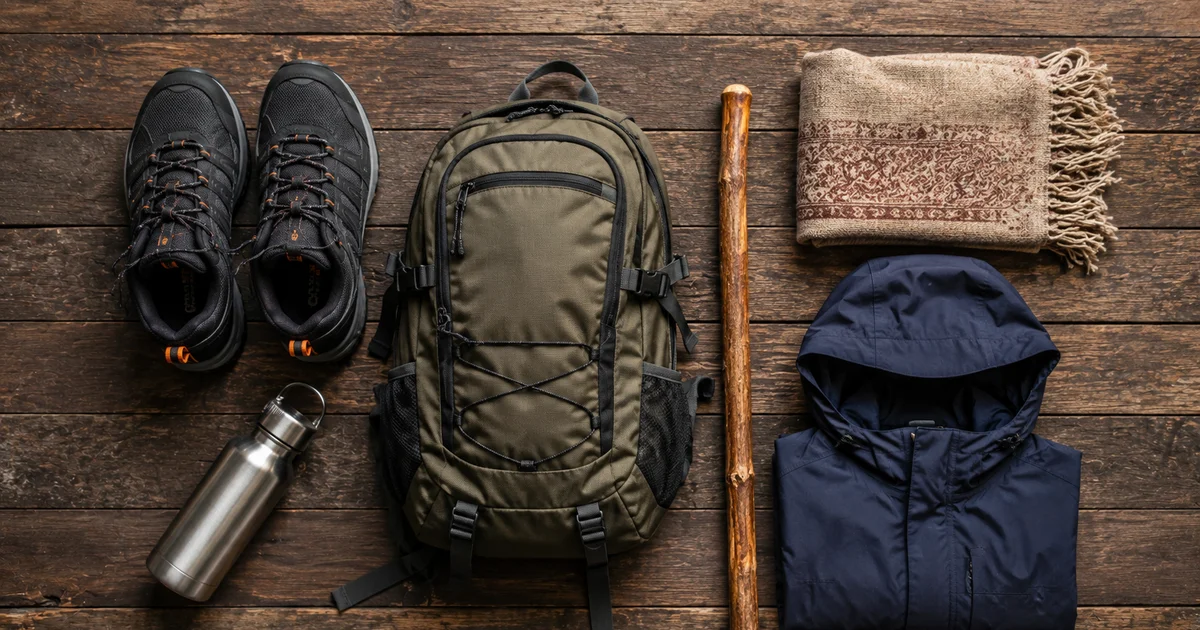
Pack two bags in your head: a hotel bag with everything for the trip, and a small day bag for the climb. The day bag should hold your ID and yatra registration card, water, a light jacket, snacks, medication, a spare pair of socks and some cash. Wear comfortable, broken-in walking shoes. Leave electronics, leather items and valuables at the hotel or in the free cloakrooms, because the Shrine Board does not allow video cameras and other electronic equipment on the track, and leather and most personal articles cannot go into the cave.
The rest of this guide explains why, and adds the small things that first-time pilgrims usually wish they had remembered.
First, understand the rules that shape your packing
Packing for Vaishno Devi is different from packing for a normal hill trip, because the Shrine Board's rules decide what you can carry.
- Registration is compulsory and free. You need a yatra registration and RFID card to pass the first check post at Banganga. Carry photo ID for every traveller.
- Electronic equipment is restricted. The Shrine Board states that video cameras and other electronic equipment are not allowed on the track for security reasons. Mobile phones are not allowed inside the cave. In practice most pilgrims carry a phone on the climb, but you should check the current rules at the start and expect to deposit it before darshan.
- Leather and similar items cannot enter the cave. Belts, leather watch straps, purses, handbags and similar items must be left in the cloakroom. Pens, combs and similar everyday items are also restricted.
- Food items and offerings are restricted inside. Sweets and similar food are not allowed in the cave, so do not buy more prasad than you need.
- Free cloakrooms exist. The Shrine Board runs free cloakrooms at the Bhawan, including one near the main queue entrance for shoes and restricted items and another at Sridhar Bhawan for luggage. They are not meant for cash, jewellery or electronics.
- Alcohol, tobacco and non-vegetarian food are prohibited in the pilgrimage area.
Packing light is therefore not just convenience. It is part of the rule.
The day bag: your most important packing decision
You will carry this bag for 12 km up and again on the way down. Make it small and comfortable, ideally a light backpack with padded straps.
- ID and registration: photo ID for each traveller, and your RFID yatra card around your neck. Keep a photocopy or photo on a phone as backup.
- Water: one refillable bottle. Water points and stalls are frequent along the route.
- A light jacket or shawl: the Bhawan is cooler than Katra, especially early and late in the day.
- Snacks: dry fruit, nuts, glucose biscuits, chikki or fruit. Light, quick energy beats heavy food.
- Medication: your regular medicines, plus pain relief, anti-nausea tablets, rehydration salts and plasters for blisters.
- A spare pair of socks: the difference between a comfortable descent and a blistered one.
- Cash in small notes: for ponies, tea, offerings and the cloakroom tokens. Mobile signal for digital payments can be weak.
- Tissues or wet wipes, and a small hand sanitiser.
- A light poncho in the monsoon or when rain threatens.
- Sunglasses, a cap and sunscreen from March to October.
Footwear
Nothing matters more. You will walk for hours on a paved but sloping path, then descend with tired knees.
Choose broken-in sports shoes or trekking sandals with good grip and a cushioned sole. Slightly roomier than usual helps, because feet swell on long walks.
Avoid new shoes, slippers, flip-flops, heels and anything without grip. Wet or smooth surfaces turn these into hazards.
Carry a spare pair of socks and, if you are blister-prone, blister plasters or moleskin. You will remove your shoes at the shrine, so slip-on styles are useful, but not at the expense of support on the climb.
Clothing: pack for two climates
Katra and the Bhawan differ in temperature, and the weather can change during the day. Dress in layers you can add and remove.
Spring and autumn (March to May, mid-September to November). Light cotton clothing for the climb, plus a fleece or sweater and a windproof layer for the Bhawan and early mornings.
Summer (May and June). Breathable, loose clothes, a cap, sunglasses and sunscreen. Still carry a light jacket for the Bhawan.
Monsoon (July to September). Quick-dry clothing, a rain jacket or poncho, waterproof bag covers, and shoes you do not mind getting wet. Pack a change of clothes in a plastic bag.
Winter (December to February). Thermal innerwear, a fleece, a padded or down jacket, a woollen cap, gloves, woollen socks and a scarf. Mornings at the Bhawan can be bitterly cold.
Modesty. The Shrine Board asks pilgrims to avoid loud dress. Choose comfortable, modest clothing that covers shoulders and knees, and suits movement on steps and slopes. Women may prefer a salwar kameez, leggings with a long top, or a light saree with sensible footwear. Men can wear trousers or track pants and a shirt or T-shirt.
Documents and money
- Photo ID for every traveller, including children. Aadhaar, passport, driving licence or voter ID are common.
- Yatra registration details: if you registered online, bring the confirmation so you can collect your physical card at a counter. Remember to cross the Banganga check post within the permitted window after the card is issued.
- Hotel confirmation and the contact number of your hotel.
- Helicopter, battery car or ropeway tickets, if booked, printed or saved offline.
- Train or flight tickets for the way home.
- Cash, a debit card and a UPI-enabled phone, with a backup option, since signal can be weak.
- A small card with emergency contacts and any medical conditions, tucked into your wallet or bag.
Health and comfort items
- Regular medication for blood pressure, diabetes, heart or other conditions, in your hand bag, with a doctor's note for anything important.
- Pain relief and a muscle spray or balm for sore legs.
- Rehydration salts to restore fluids on a hot climb.
- Motion-sickness tablets for the road from Jammu.
- A basic first-aid kit: plasters, antiseptic wipes, bandage, a few tablets for fever and upset stomach.
- Lip balm and moisturiser, because mountain air dries the skin.
- Personal hygiene items, including sanitary products. Supplies in Katra are available, but familiar brands are easier to bring.
Medical aid posts operate along the route, but they are for emergencies, not routine supplies.
Electronics and phones
- A power bank, kept charged. Charging points are limited on the route.
- Phone: carry it on the climb if allowed, but expect to leave it in the cloakroom at the Bhawan before darshan. Do not rely on it for navigation inside the complex.
- Cameras: video cameras and similar equipment are not allowed on the track. Plan to enjoy the climb without a heavy camera.
- Offline copies: save tickets and maps offline, since signal weakens in patches.
Packing for children
- Warm layers: children chill quickly in the early morning.
- A change of clothes and socks in a plastic bag.
- Snacks and juice: familiar favourites keep them going.
- A comfort item, like a small toy, for long waits in the queue.
- A contact slip with your name and phone number in their pocket, in case they get separated in the crowd.
- A carrier or stroller: strollers are awkward on stairs and slopes, so a soft carrier is often easier for toddlers, and ponies are available for older children.
Packing for senior citizens
- Medicines and a medical summary, with enough supply for extra days.
- A walking stick if they use one, ideally a lightweight, folding style.
- Warm layers and a shawl, since elders feel cold quickly.
- Comfortable shoes with good grip.
- Support braces or knee caps if recommended by their doctor.
- A plan for transport, such as a pony, palki, battery car or helicopter. Our guides to the battery car and helicopter can help.
The hotel bag: what to put in your main luggage
Your main bag stays in Katra, so it can be more generous, but a few choices make the days around the climb smoother.
- A change of clothes for after the descent. You will be sweaty or damp, and a fresh set of comfortable clothes is the first thing you will want. Loose cotton or track pants and a soft top are ideal.
- Slippers or sandals for the hotel. Your feet will be sore, and breathable footwear helps them recover.
- Warm clothes you might not use, if the weather is uncertain. Better to have them in the room than to need them on the mountain.
- Toiletries, including a towel if you prefer your own, and a small bottle of body lotion or foot cream for aching legs.
- A small plastic bag or two for wet or muddy clothes.
- A phone charger and adapter, with a spare cable.
- Mild snacks and tea bags if you like a hot drink late at night, since room service closes early in some budget hotels.
- Clothes for the journey home, separate from what you wear on the climb.
- Gifts and prasad space. You will almost certainly buy dry fruit, prasad and keepsakes, so leave room in your bag.
If you are staying only one night, you can reduce this to a small overnight bag. If you are staying two or three, pack for the days you will spend resting and travelling, not only the climb.
A note on weight: how much is too much?
Many first-time pilgrims pack for every possibility and end up with a heavy day bag. A good rule is to carry only what you would be unhappy to be without for the next eight hours. If an item has no job on the mountain, leave it behind. A day bag of two to three kilograms feels easy at the start and manageable at the end, while five or six kilograms feels like a burden by the time you reach Adhkwari. Share the load among family members, and let the strongest carry the water and first-aid items.
What to leave at the hotel
- Large suitcases and extra clothes.
- Jewellery, valuables and large amounts of cash.
- Laptops, tablets and spare cameras.
- Leather items you do not need on the climb.
- Anything you would hate to lose.
Most Katra hotels will store luggage after check-out if your plans change, so ask when you book.
What you can skip
- Bulk bottled water. Water is available at regular intervals.
- Heavy snacks and cooked food. Food stalls and langars line the route.
- A second SIM, unless connectivity is critical. Coverage is generally adequate in Katra and on most of the route.
- Lots of cash. Carry enough for the day, and leave the rest.
- Big bags and backpacks. They slow you down and may need to be deposited.
A sample checklist for the night before
- Day bag packed and by the door.
- Documents and registration card in one pouch.
- Water bottle filled.
- Snacks packed.
- Shoes and socks ready, with a spare pair in the bag.
- Warm layer at the top of the bag.
- Phone and power bank fully charged.
- Medicines checked.
- Taxi to Banganga arranged for the morning.
- Alarm set, and everyone in bed early.
Frequently Asked Questions
Can I take my mobile phone on the Vaishno Devi trek? Most pilgrims carry a phone on the track, but the Shrine Board restricts electronic equipment and does not allow phones inside the cave. Plan to deposit it in the cloakroom before darshan, and confirm current rules on arrival.
Can I carry leather items? Not into the cave. Belts, leather straps, wallets and purses must be left in the free cloakroom.
Is there a cloakroom at the Bhawan? Yes. The Shrine Board operates free cloakrooms at the Bhawan, near the queue entrance and at Sridhar Bhawan. Do not leave cash, jewellery or electronics in them.
How heavy should my day bag be? As light as you can make it, ideally under 3 kg. You will carry it for hours.
What shoes are best for the trek? Comfortable, broken-in sports shoes or trekking sandals with good grip. Avoid new shoes and flip-flops.
What should I pack for winter? Thermals, a fleece, a padded jacket, gloves, a woollen cap, woollen socks and a scarf.
Do I need to carry my own food? No. Stalls and langars line the route. Carry a few light snacks for energy.
Build Your Trip Around Your Dates
Once your bag is sorted, get an exact day-wise plan and price for your dates, hotel category and group size.