Places to Visit Near Vaishno Devi
Add any of these to your yatra when you build your itinerary — each one adjusts your day-wise plan and price automatically.






How to choose the right places to add to your yatra
Why add anything to the yatra at all
The climb to the Bhawan is the heart of the trip, and many pilgrims treat it as the only thing that matters. That is a fine way to travel. But the days around the yatra contain gaps: a free afternoon after you reach Jammu, a rest day when your legs refuse to climb again, a morning before a late train, or several spare days if you have come a long way. How you fill those gaps shapes how the whole trip is remembered.
This page is a guide to the eleven places we can add to your itinerary. Each has its own detailed guide, linked below, with distances, seasons, practical advice and a sample plan. Here we help you decide between them. The main principle is to match the extra to the people travelling, to the season and to how much rest your group needs, not to what is most famous.
A rule that saves trips: yatra first, extras second
Put the yatra in the middle of your plan and protect a rest day after it. Pilgrims who stack sightseeing before darshan often reach the mountain tired. Those who schedule a long mountain drive for the day after the descent suffer for it, because tired legs and a winding road do not mix. The extras that suit the day after the climb are the gentle ones: a quiet shrine, a lake, a temple tour in Jammu.
A second rule: choose for the person with the least energy. A place everyone enjoys beats a famous place half the group endures. Grandparents, small children and anyone with knee or heart concerns should shape the plan.
The quiet, easy stops near Katra
These need no extra night, and they suit the day after the climb.
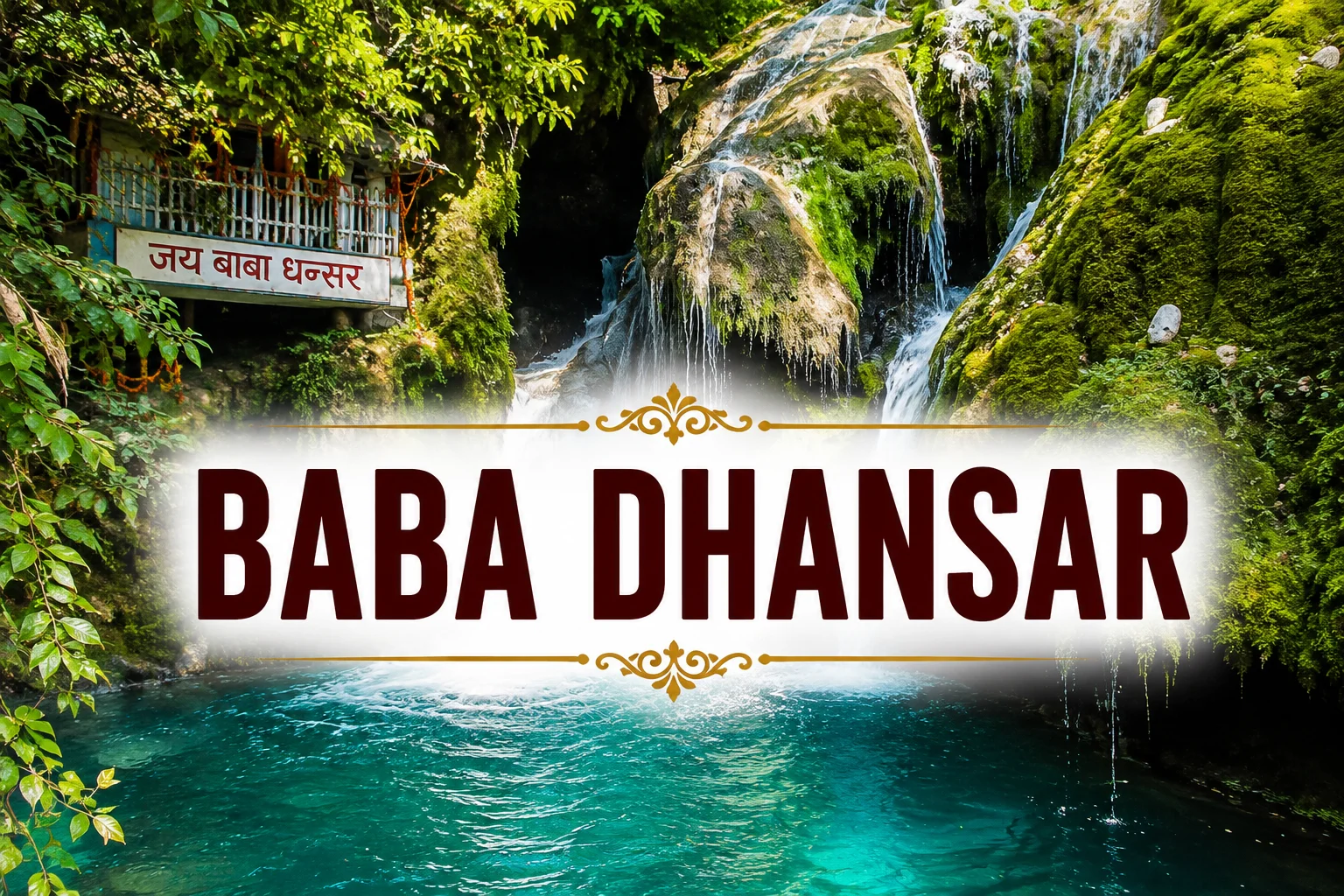
- Baba Dhansar. About 15 km from Katra. A sacred spring-fed pond at Karua with a small Shiva cave shrine and a Nag temple. An hour or two of stillness by running water.
- Jammu Sightseeing. About 48 km away. The Raghunath Temple complex, Bahu Fort above the Tawi river, the Amar Mahal museum and the old bazaars. It fits an arrival or departure day.
- Mansar Lake. About 75 km away. A freshwater lake with boating, temples and a custom of newlyweds walking its shore. Easy and flat, good for families and elders.
- Shiv Khori. About 75 km away. A natural cave shrine of Lord Shiva with a passage of around 200 metres. A fuller day, and a long drive, best on a weekday.
The hill-station day
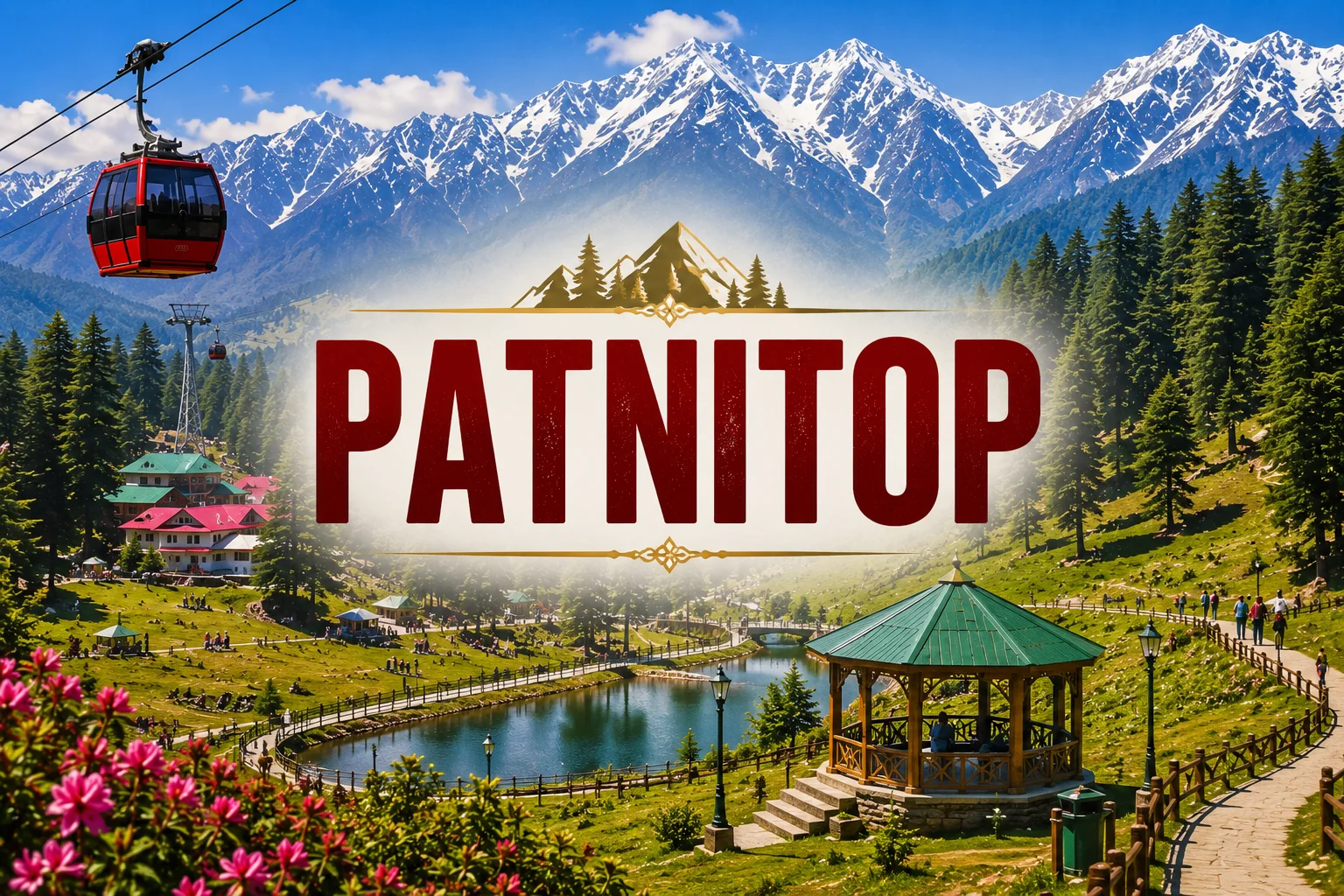
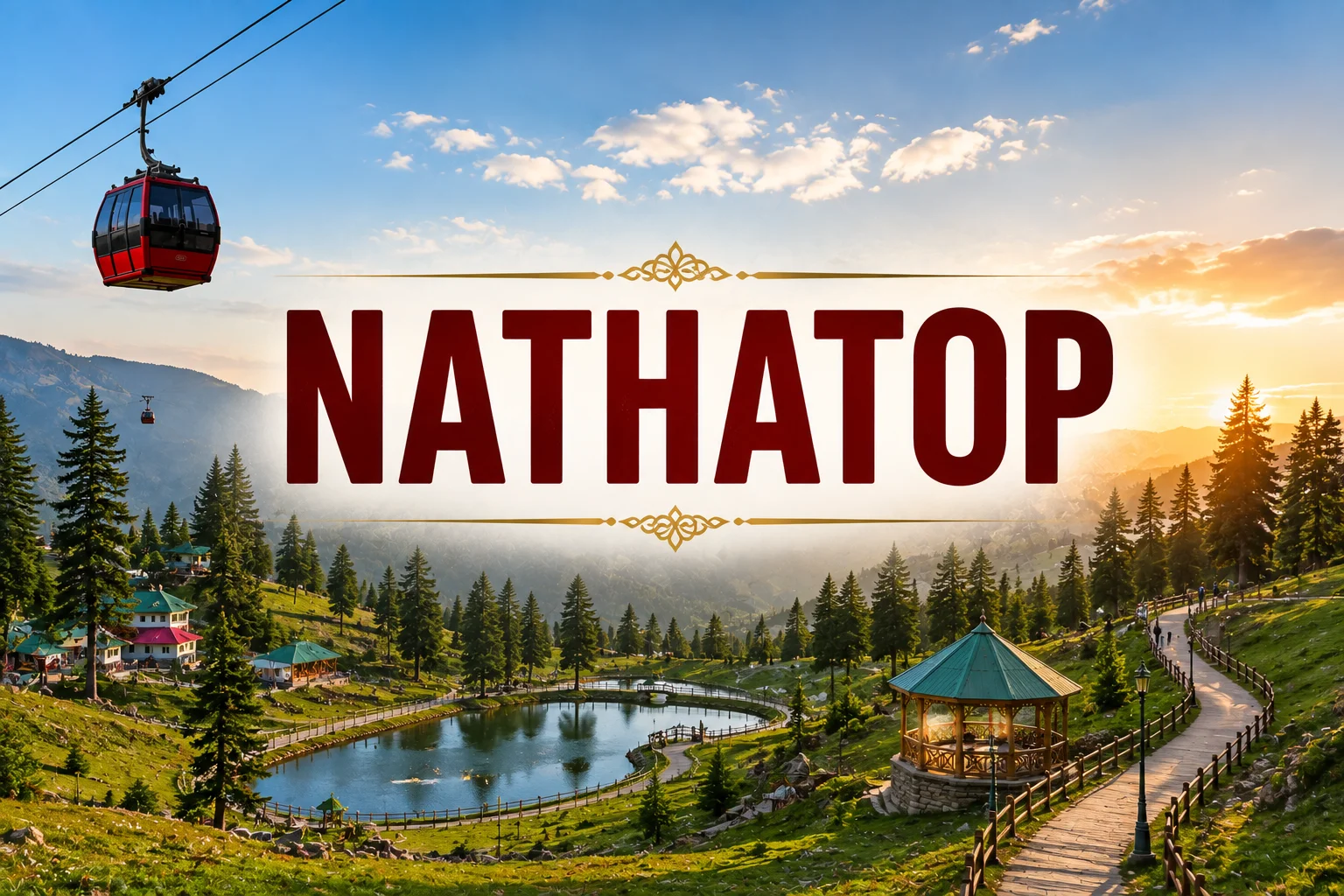
Patnitop (about 85 km) is a pine-forested plateau at around 2,000 metres, with a wide meadow, a Naag Temple and views over the Chenab valley. Nathatop (about 93 km) sits a short climb above it, quieter, higher and often snowier. Nearly everyone visits the two together in a single long day, and an overnight stay at Patnitop turns the day into a proper break. They are lovely in spring and early summer for meadows and in winter for snow, and less rewarding in the monsoon, when cloud hides the view.
If you are travelling with elders or young children, Patnitop alone is usually enough. Nathatop adds a rougher road and colder air for a view that may not be worth it for them.
A city on the way home
Amritsar, about 260 km from Katra, is the natural extension for pilgrims travelling to or from Punjab, Haryana or Delhi. The Golden Temple and its langar, Jallianwala Bagh, the Partition Museum, the Durgiana Temple and the Wagah-Attari ceremony deserve at least a full day, and ideally two. It suits devotees, history lovers and anyone who enjoys food, since Amritsar is famous for kulchas, lassi and sweets.
The Kashmir extension
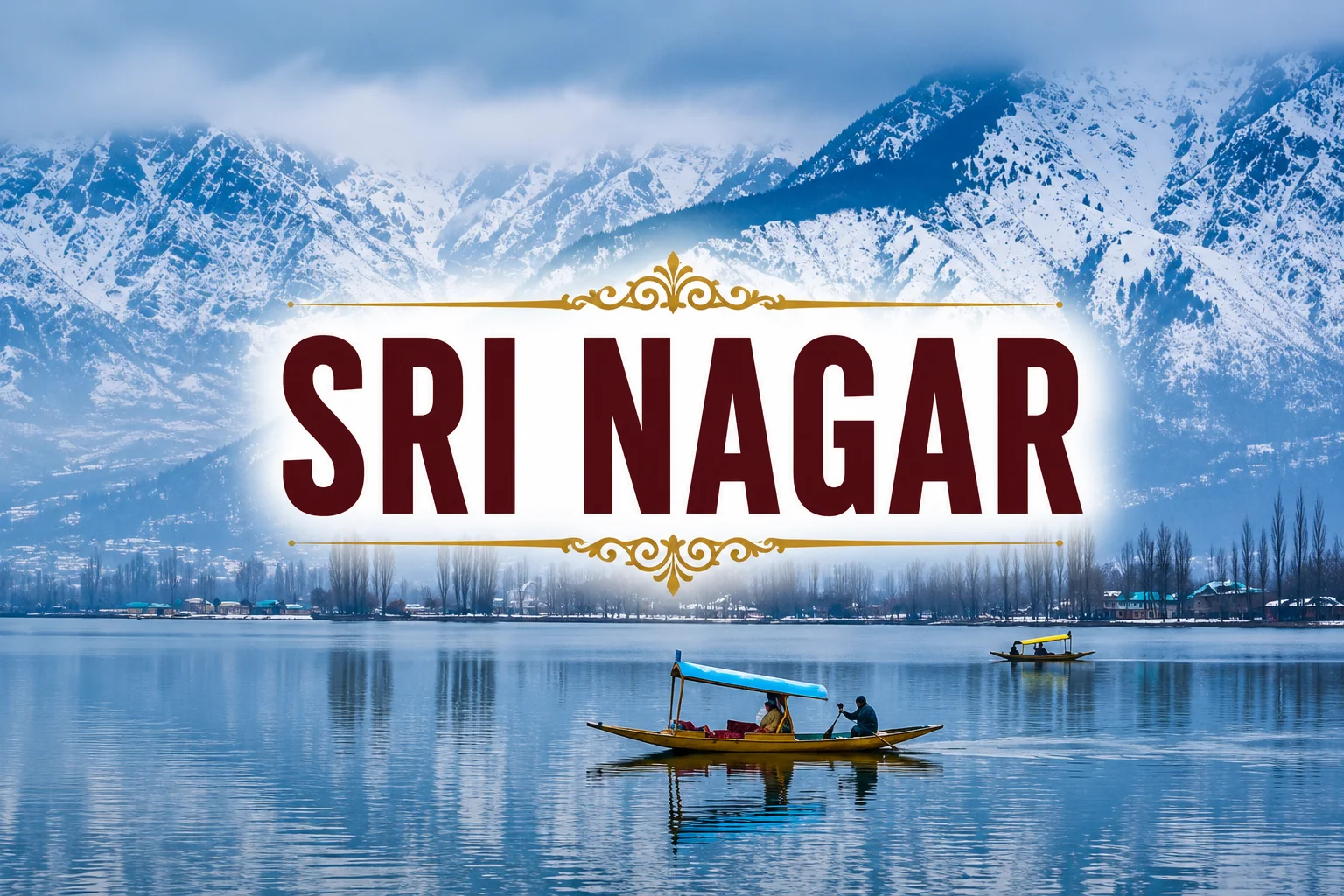
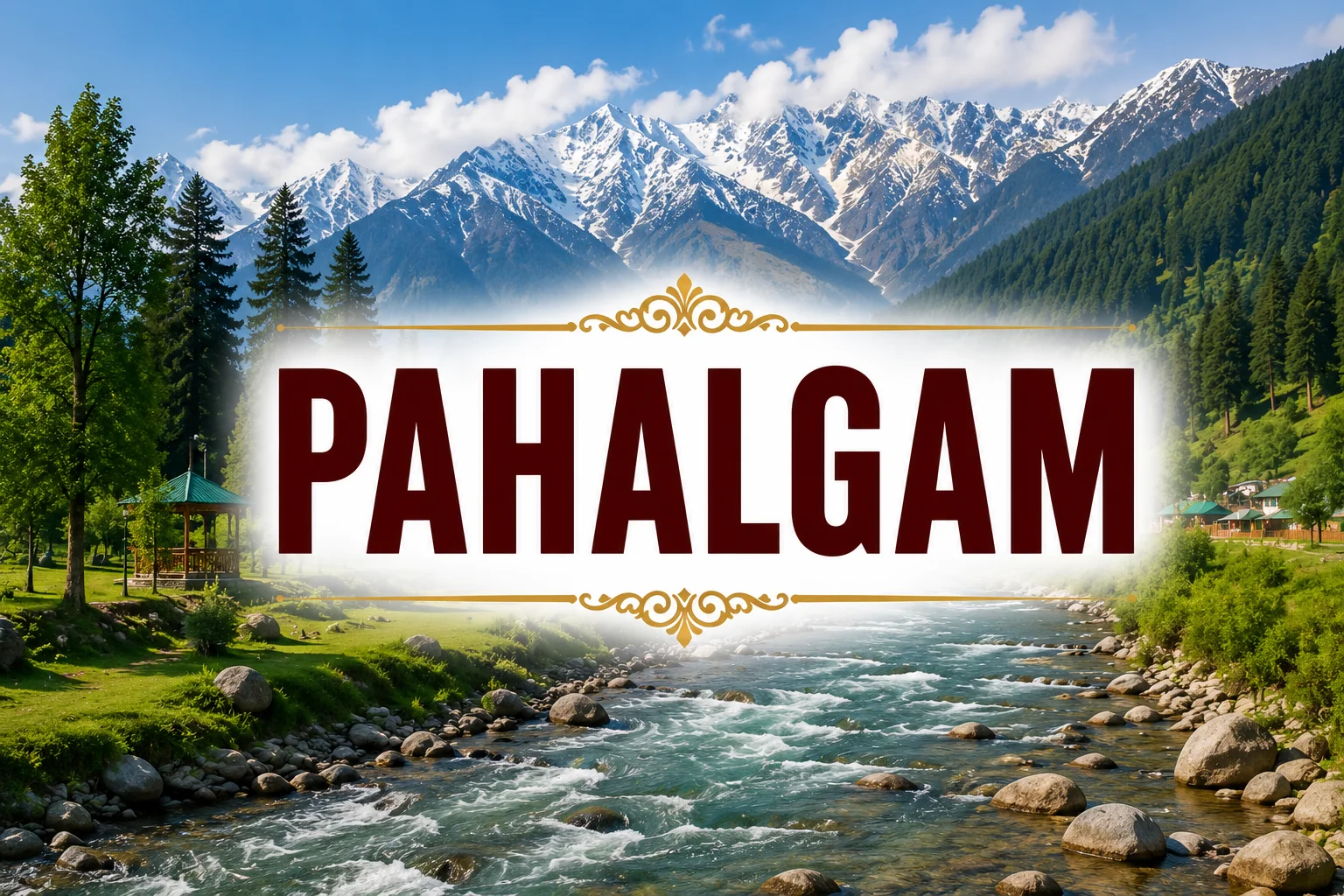
Four places are normally combined into a multi-day trip based in Srinagar. Srinagar (about 245 km) is Dal Lake, shikaras, houseboats and the Mughal Gardens. Gulmarg (about 285 km) is Kashmir's hill resort, with the Gondola, skiing in winter and flower meadows in spring. Pahalgam (about 250 km) is the gentle Valley of Shepherds on the Lidder river. Sonmarg (about 320 km) is the wild Meadow of Gold and the road to Ladakh.
Allow at least four to six days for Kashmir, because the road from Katra alone takes most of a day. Check current J&K travel advisories and highway status before you book, and keep a spare day in your plan, since snow, rain or landslides can close roads for hours.
Choosing by who is travelling
The same list reads very differently for different groups.
- Elderly parents. Baba Dhansar, Mansar Lake and Jammu are short, flat and gentle. Patnitop works in mild weather. Avoid long drives and high altitude.
- Families with young children. Mansar Lake for boating and open space, Patnitop for room to run and, in winter, snow. Check that children can cope with a long drive before Shiv Khori.
- Couples. Patnitop or Pahalgam for quiet, Srinagar and Gulmarg for romance, Amritsar for culture and food.
- Friends and young groups. Gulmarg, Sonmarg and Patnitop offer the most activity and the best photographs.
- Devotees. Baba Dhansar, Shiv Khori, the Raghunath Temple in Jammu and the Golden Temple in Amritsar.
Choosing by time and season
With one free afternoon, choose Jammu or Baba Dhansar. With one free day, choose Shiv Khori, Mansar Lake, or Patnitop with Nathatop. With two days, choose Amritsar on the way home or an overnight at Patnitop. With four to six days, build a Kashmir trip around Srinagar.
Season matters as much as time. Snow is the draw at Patnitop, Nathatop and Gulmarg from December to February. Meadows are at their best from April to June. Sonmarg is open only in the warmer months, roughly May to September. The monsoon brings landslide risk on hill roads, so keep plans flexible. Our month-by-month guide explains how each season affects the yatra itself.
How adding a place works with us
In the Build My Yatra wizard, each place appears as an add-on. Short stops such as Jammu, Mansar Lake and Baba Dhansar are added without an extra day. Longer ones, such as Shiv Khori, Patnitop with Nathatop, Amritsar and the Kashmir places, add days to your itinerary, and the price updates live as you choose. You can add several, and change your mind later.
The wizard prices add-ons with estimates for vehicle time and any extra days. Entry fees, ponies, cable cars and activities are paid on the spot and vary by season, and your final quote is confirmed by our team. For a sense of total cost, see our trip cost guide, and for the full planning picture, read our complete yatra guide.
Sample plans that work
Here are four combinations we suggest again and again, with the reasoning behind each.
- Three days, with a quiet morning. Arrive and register on day one, climb on day two, and spend the morning of day three at Baba Dhansar before an afternoon departure. The gentle outing suits tired legs and costs no extra night.
- Four days, with a hill day. Arrive on day one, climb on day two, rest on day three with a visit to Patnitop and Nathatop, and depart on day four. Stay overnight at Patnitop if you can, to avoid a long drive back.
- Five days, with Jammu and Mansar Lake. Arrive, climb, rest, then spend a day on the Jammu side: temples and bazaars in the morning, the lake in the afternoon. It is a cultural and relaxed ending to the trip.
- Seven days, with Kashmir. Three days for the yatra, then drive to Srinagar for two nights, add Gulmarg or Pahalgam for a day, and keep one buffer day for road delays. This is the most popular extended itinerary.
What each place adds to the budget
In our wizard each place is an add-on that covers the extra vehicle time, and longer ones also add days. The current estimates are Baba Dhansar ₹400, Mansar Lake ₹500, Jammu Sightseeing ₹600, Shiv Khori ₹800 (one extra day), Patnitop with Nathatop ₹1,200 (one extra day), Amritsar ₹1,500 (one extra day), Pahalgam ₹1,600 (one extra day), Sonmarg ₹1,700 (one extra day), Gulmarg ₹1,800 (one extra day) and Srinagar ₹2,200 (two extra days).
Extra days also add hotel nights, meals and daily transport at the rates in our trip cost guide. Think of the add-on figure as the cost of getting there, and the extra days as the cost of staying.
When plans change
Hill trips depend on weather. If rain, snow or a landslide closes a road, you need a backup. The easiest swaps are Patnitop for Mansar Lake, Shiv Khori for Baba Dhansar, and a long Kashmir day for a slower day in Srinagar. Keep hotel bookings flexible where possible, and tell your driver your priorities so he can suggest alternatives.
A closed road is far easier to handle with a spare day than with a flight to catch. If your return travel is fixed, build in a buffer of at least half a day, and avoid scheduling a long hill drive on the morning of departure.
Questions we are asked most often
A few answers that save time when you are deciding.
- Can I add more than one place?. Yes. The wizard lets you add as many as you like, and each one updates your day-wise itinerary and total price.
- Which places need no extra day?. Jammu Sightseeing, Mansar Lake and Baba Dhansar can be folded into an arrival or departure day. The rest usually need a day of their own.
- Which place is best right after the climb?. Baba Dhansar or Mansar Lake. Both are quiet, short and easy on tired legs.
- Which place is best for snow?. Gulmarg, Patnitop and Nathatop between December and February. Check road conditions first.
- Is Kashmir safe to include?. Millions of visitors travel there each year, but conditions on the roads and in the region can change quickly. Check current J&K travel advisories and highway status before you book, follow local advice and keep a spare day.
- Do I have to decide before I book?. No. You can start with the yatra and add places later, or plan everything at once. The price updates live as you choose.
Practical advice that applies to every outing
Roads in the hills are winding, and many people feel carsick, so carry tablets and sit in the front if you are prone to nausea. Carry warm layers for anywhere above 2,000 metres, even in summer. Keep cash in small notes for ponies, tea and tolls, since digital payments do not work everywhere. Agree the route, timings and total cost with your driver before you set off. Dress modestly at religious sites, ask before photographing people and take your rubbish with you.
Above all, leave room for rest. Trips that include a genuine rest day are remembered warmly. Trips that do not are remembered as tiring, however beautiful the places were. If you are unsure which combination suits your group, tell us your dates, your group and your priorities, and we will suggest a plan.
Respecting the places you visit
Many of these places are living places of worship or fragile mountain landscapes. Dress modestly at shrines, remove your shoes where asked and keep your voice low. Ask before photographing people. Stay on paths in meadows, carry your rubbish out, and buy from local stall-holders whose seasonal income depends on visitors. Treat guides, drivers and ponymen fairly, and agree prices in advance. A little courtesy keeps these places welcoming for the pilgrims who follow you.